
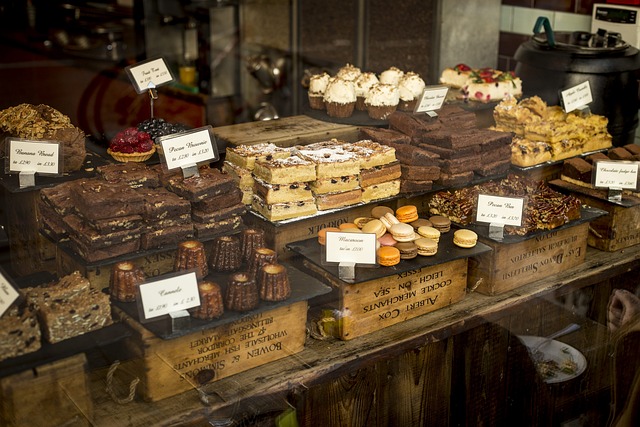
Dessert traditions reveal far more than a society’s sweet tooth. They show how people celebrate, remember, welcome guests, mark religious holidays, preserve seasonal ingredients, and pass family identity from one generation to the next. In some places, desserts are tightly linked to formal occasions and ritual calendars. In others, sweets appear more casually, folded into tea culture, street food, market life, or the everyday rhythm of a shared meal. What makes dessert traditions so enduring is that they are rarely just about sugar. They are about custom. A cake at a birthday, a pastry at a holiday, a sweet rice dish at a festival, or a tray of cookies at a family gathering all carry meaning beyond taste. Dessert traditions survive because they help turn meals into memory and food into continuity.
The history of dessert traditions is also a history of movement. Sweet customs develop from local crops, religious practice, climate, trade, and inherited techniques, but they are also shaped by migration, colonial contact, urbanization, and technology. That is why dessert traditions can feel both ancient and adaptable at the same time. A dessert may retain its ceremonial role for centuries even while its ingredients or presentation change. A pastry may travel across borders and become naturalized somewhere else. A household sweet may rise into commercial fame, while a famous national dessert may still owe its deepest meaning to the home table. Around the world, dessert traditions continue to show how sweets function as symbols of hospitality, celebration, identity, and cultural survival.
What Dessert Traditions Reveal About Food and Culture
Dessert traditions matter because they often reveal the emotional and symbolic side of a food culture more clearly than everyday staple dishes do. Main meals may tell us how people sustain themselves, but desserts often tell us how they celebrate, reward, and remember. A traditional dessert can mark a harvest, a fast-breaking meal, a wedding, a new year, or a family reunion. It can be reserved for a specific feast day or made regularly as a sign of home and familiarity. Either way, dessert traditions often sit at the point where food becomes ritual.
These traditions also reflect what ingredients a place values. In one region, nuts, honey, and syrup may dominate traditional sweets. In another, rice, milk, and cardamom define important desserts. Elsewhere, apples, cream, cinnamon, citrus, beans, coconut, cacao, or dried fruit may shape the dessert tradition. Over time, people build customs around those ingredients. They develop recipes that become associated with certain seasons, certain holidays, or certain kinds of hospitality. That is why dessert traditions tend to be deeply local even when they later spread outward. They begin in a place, with a people, under specific conditions.
How Family and Home Baking Shape Dessert Traditions
Many dessert traditions survive not through formal culinary institutions, but through households. Family kitchens are where a huge number of dessert customs are actually preserved. Recipes are repeated at the same time each year, often with only minor changes. A grandmother makes a certain holiday sweet. An aunt brings the same pie to every gathering. A parent teaches a child how to fold dough, whip cream, roll cookies, or judge the right texture by touch rather than measurement. These repetitions create tradition more effectively than any cookbook description ever could.
Home baking is especially important because dessert traditions are often tied to intimacy and repetition. People may buy bread every week without much emotional ceremony, but desserts are more likely to be connected to effort, anticipation, and occasion. Even a simple dessert can carry deep emotional weight if it appears consistently in family life. The recipe becomes part of the household story. In that sense, dessert traditions are often transmitted less like technical knowledge and more like belonging. The sweet itself matters, but so does who made it, when it appeared, and what it signaled.
Holiday Dessert Traditions Around the World
One of the strongest homes for dessert tradition is the holiday calendar. Across cultures, sweets are often tied to special days, sacred observances, and annual cycles that give them structure and symbolic force. A dessert served only once a year can develop extraordinary cultural meaning because it becomes associated with anticipation and repetition. When people speak nostalgically about holiday food, they are very often talking about dessert.
Christmas traditions in many places include fruitcakes, cookies, spiced cakes, puddings, yule logs, and festive pastries. Easter often brings sweet breads, cream-filled desserts, egg-based sweets, and symbolic baked goods. Lunar New Year, Diwali, Eid, Hanukkah, and many other religious or cultural celebrations are tied to specific desserts that carry meanings related to luck, sweetness, prosperity, remembrance, or community. These sweets are not random additions. They often embody the values or symbols of the event itself.
Holiday dessert traditions endure because they create rhythm. They help divide time into meaningful segments. A dessert made only in winter feels different from one made all year. A festival sweet eaten after fasting or prayer carries a different emotional charge than an ordinary snack. That distinction is what gives these traditions their power.
Religious Influences on Traditional Desserts
Religious practice has shaped dessert traditions in major ways across history. In many cultures, sweets are connected to feast days, fasting periods, offerings, almsgiving, and communal celebration. Certain ingredients may be emphasized or restricted depending on religious rules, which in turn shapes the structure of traditional desserts. A sweet that appears after a fast, for example, may be designed to feel especially rich, restorative, or festive.
In some traditions, desserts are linked to sacred calendars. In others, they appear at life-cycle events such as births, weddings, funerals, baptisms, or coming-of-age celebrations. Religious influence also helps explain why certain sweets remain remarkably stable across generations. When a dessert is tied to ritual, people are less likely to reinvent it casually. They may change details, but the symbolic form remains important.
This is one reason dessert traditions are so resilient. A sweet linked to religion is not just tasty. It is socially reinforced. It is expected, remembered, and often required by the logic of the event. That creates continuity in a way that trendier food categories rarely achieve.
Regional Dessert Traditions and Local Ingredients
Dessert traditions are shaped by geography as much as by belief. Local ingredients determine not only what is possible, but what becomes normal. A region rich in dairy may develop custards, cream cakes, and butter-heavy pastries. A place with strong fruit production may build traditions around pies, tarts, preserves, and baked fruit desserts. In tropical climates, coconut, banana, mango, cassava, and sugarcane may define sweet customs. In dry or mountainous areas, nuts, honey, semolina, dried fruits, and syrup-preserved sweets may dominate.
Regional dessert traditions often become identity markers. A town may be known for a particular tart. A province may claim a specific cake or pastry. A whole country may become associated with a handful of signature sweets that emerged from local conditions and later grew into national symbols. These traditions matter because they keep dessert grounded in place. Even in an era of globalized bakery culture, a regional sweet still tells a story about land, climate, agriculture, and inherited taste.
This is also why dessert traditions do not flatten easily into one world system. People may adopt foreign desserts, but local sweets often remain emotionally stronger because they belong to the landscape and the collective memory of the place.
Dessert Traditions in Europe, Asia, the Middle East, Africa, and the Americas
Across Europe, dessert traditions often reflect long histories of pastry, dairy, fruit preservation, and feast-day baking. Cakes, tarts, puddings, layered pastries, custards, and holiday breads all occupy important places. In many parts of Europe, dessert traditions are tied both to peasant thrift and courtly refinement, which creates an interesting dual legacy of humble fruit desserts and highly structured patisserie.
In Asia, dessert traditions are extraordinarily varied. Some regions emphasize rice, coconut, beans, sesame, milk, syrup, tea, or tropical fruits. In South Asia, many traditional sweets are tied closely to festivals and hospitality, often built around milk solids, nuts, syrup, and aromatic spices. In East Asia, many dessert traditions emphasize texture, balance, and ingredients such as rice, red beans, matcha, taro, sesame, and fruit. Southeast Asian dessert customs often involve coconut milk, sticky rice, banana, pandan, palm sugar, and layered preparation.
In the Middle East and surrounding regions, dessert traditions frequently center on nuts, honey, syrup, semolina, dates, rosewater, orange blossom, and delicate pastry forms. Many sweets are deeply tied to religious holidays, gatherings, and hospitality. Across Africa, dessert traditions vary widely by region but often reflect local grains, tropical fruits, nuts, dairy where relevant, and colonial or trade influences layered onto existing sweet customs. In the Americas, dessert traditions reflect Indigenous ingredients, European baking, African culinary influence, and later immigration. This is why desserts across North, Central, and South America range from pies and cobblers to flan, milk cakes, fried sweets, coconut desserts, chocolate-based traditions, and fruit-heavy regional specialties.
Traditional Desserts and the Role of Celebration
Celebration is one of the main engines of dessert tradition. Weddings, birthdays, anniversaries, family reunions, harvest festivals, and public feasts all create demand for sweets that feel special. In many societies, a dessert becomes traditional precisely because it is tied to the emotional peak of a gathering. People expect it. Its absence would feel noticeable. That is a sign of cultural weight.
Celebratory desserts often differ from everyday sweets in scale, decoration, or labor. A simple daily biscuit is not the same thing as a ceremonial cake that takes hours to prepare. Some traditions involve communal dessert making, where several family members help assemble pastries, decorate cookies, or prepare large quantities of sweets for guests. That labor itself becomes part of the tradition. The dessert is not just the finished object. It includes the process of making, sharing, waiting, and serving.
Because of that, traditional desserts often help structure social relationships. Who bakes, who serves, who receives the first piece, who learns the recipe, and who remembers the “correct” version all become part of the wider social meaning.
How Migration and Trade Changed Dessert Traditions
Dessert traditions are local, but they are rarely isolated. Trade has always shaped sweetness. Sugar, cocoa, vanilla, spices, citrus, almonds, coffee, and tea all moved through trade routes and altered local dessert customs. Migration did the same. Families carried recipes with them, adapted them to new ingredients, and transformed them in diaspora settings. That is why dessert traditions often show both continuity and change at once.
A pastry may arrive in a new country and take on different fillings. A festival sweet may become less formal and more commercial after migration. A traditional dessert may be simplified because certain ingredients are harder to find abroad. In other cases, migration strengthens tradition, because sweets become a way of preserving identity in a new setting. A family may be more determined to keep making a certain dessert precisely because it connects them to a place they left.
Trade and migration also explain why some desserts are contested across borders. Multiple countries may claim close versions of the same sweet. That overlap is normal. Culinary traditions do not respect modern nationalism nearly as neatly as people would prefer. Dessert traditions spread, merge, and adapt because people do.
Why Dessert Traditions Still Matter in Modern Food Culture
Modern food culture changes quickly, but dessert traditions remain stubbornly alive. Bakeries can chase trends, restaurants can reinvent classics, and social media can elevate visually dramatic sweets for a season, yet traditional desserts keep returning. They return because they do things trend desserts often cannot. They anchor people. They connect meals to memory. They give holidays structure. They help families recognize themselves.
Traditional desserts also offer a sense of legitimacy in a food culture that often feels disposable. A dessert with history carries weight. It has survived not because it photographed well, but because people kept making it. That is a much higher standard than most food trends ever meet. Even when old recipes are modernized, their appeal usually comes from the fact that they still point backward to something stable and inherited.
This does not mean dessert traditions are frozen in time. They evolve constantly. Ingredients change. Techniques become easier. Presentation shifts. What matters is that the symbolic role often survives the adaptation. A dessert can become lighter, prettier, or more commercial and still remain traditional if people continue to attach it to the same moments and meanings.
Why Dessert Traditions Endure Across Generations
Dessert traditions endure because they combine pleasure with repetition, and repetition is what makes culture stick. A sweet that appears at the right moment, year after year, becomes more than food. It becomes expectation. It becomes comfort. It becomes proof that something familiar has survived. That matters in families, in communities, and across nations.
Desserts are especially suited to carrying tradition because they are linked to joy, ritual, hospitality, and memory all at once. They can be festive without being purely ornamental. They can be emotional without needing explanation. A person may forget the exact details of a holiday meal and still remember the dessert. A family recipe may outlast changes in language, geography, and household structure. A national sweet may survive political change because it remains tied to private life and repeated practice.
That is why dessert traditions remain so important. They preserve culture through sweetness, but also through timing, symbolism, and habit. They show what people celebrate, what they pass on, and what they refuse to let disappear. In every region, dessert traditions remind us that sweets are never just extra. They are often where food becomes ceremony, identity, and memory in their most concentrated form.