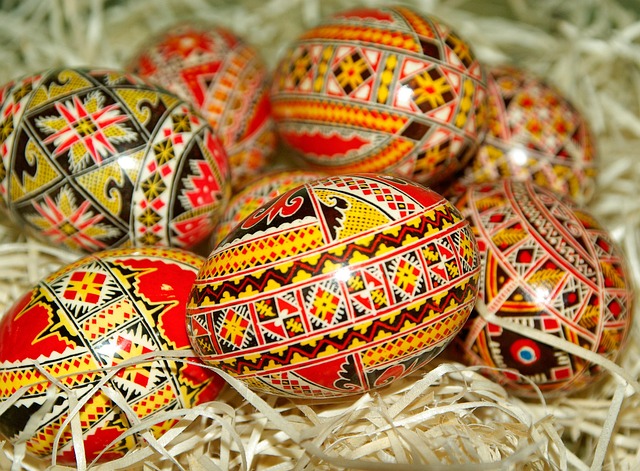
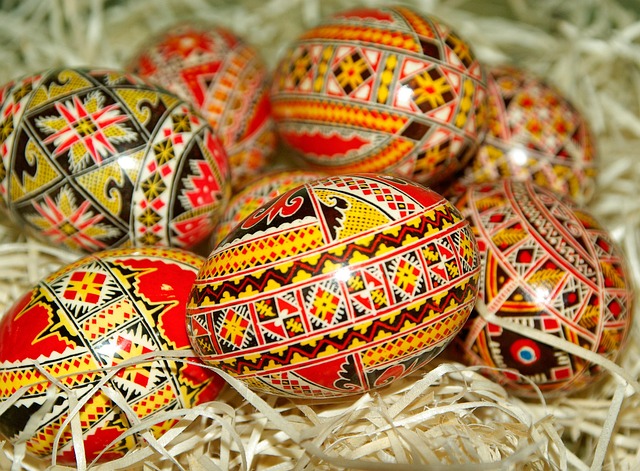
Dessert in Romania reflects a culture where sweets are strongly connected to home cooking, seasonal ingredients, holiday customs, and a broad culinary inheritance shaped by Balkan, Central European, Ottoman, and local rural traditions. Romanian dessert culture is built less around constant indulgence than around familiar baked goods, festive pastries, preserves, and sweets that carry a sense of household continuity and regional identity. Desserts often rely on ingredients such as walnuts, poppy seeds, apples, plums, sour cherries, fresh cheese, honey, cream, and pastry dough, creating a sweet profile that feels rich but grounded rather than flashy. In everyday life, cakes, sweet breads, filled pastries, pancakes, doughnuts, and custard-like desserts all play meaningful roles, while major holidays bring more ceremonial sweets to the front, especially around Christmas, Easter, and family celebrations. Cozonac, papanasi, placinte, cremes, and fruit-based cakes help anchor the Romanian dessert landscape, with cafés and bakeries adding more urban and European-style polish without displacing the emotional pull of traditional sweets. Dessert in Romania often feels tied to memory, hospitality, and the kind of food made to be shared at the family table or offered to guests without much fuss. Overall, Romanian dessert culture is warm, regional, fruit-and-dairy driven, and deeply shaped by the rhythms of both village tradition and urban baking culture.