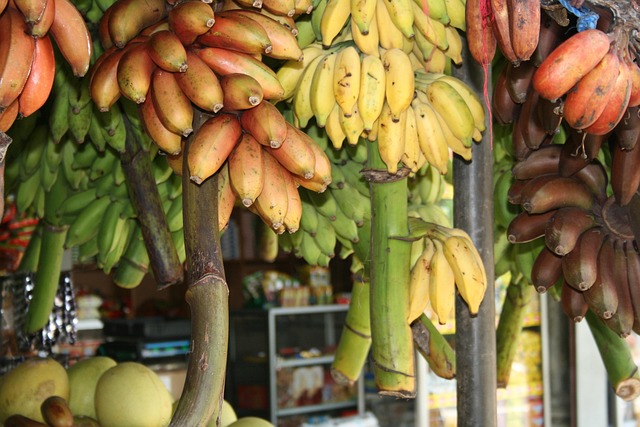
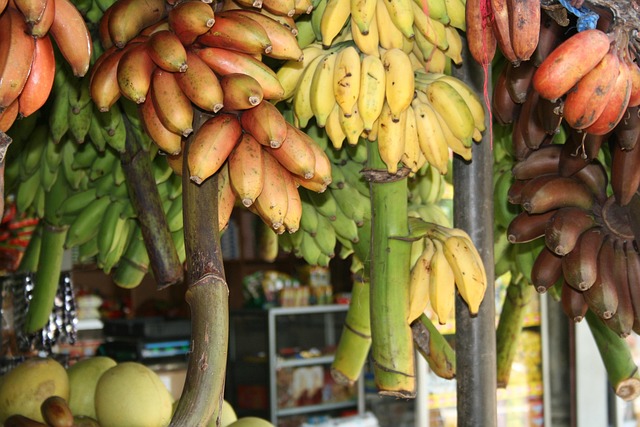
Dessert in Sri Lanka reflects a food culture shaped by coconut, rice, jaggery, tropical fruit, spice, and a long history of layered outside influence. Sri Lankan dessert culture is deeply tied to home preparation, religious festivals, family gatherings, and seasonal rhythms, with sweets often carrying ceremonial as well as everyday significance. Coconut is one of the defining elements of the country’s sweet identity, appearing in puddings, milk-based desserts, confections, pancakes, and festive treats, while rice flour, treacle, jaggery, cardamom, cloves, and bananas also help build a distinctive flavor profile. Rather than centering only on restaurant desserts, Sri Lankan sweet culture often lives in household traditions and special-occasion foods that are shared, gifted, or prepared for holidays. There is also a strong connection between desserts and tea, which matters in a country where tea is both economically important and culturally embedded. Colonial history introduced additional baked goods and custard-based influences, but Sri Lankan desserts still feel rooted in local ingredients and textures, especially those that combine richness with fragrance and softness. Many of the most recognizable sweets are not flashy in presentation, but they carry strong identity through flavor and ritual use. Overall, dessert in Sri Lanka is best understood as coconut-rich, spice-laced, and tradition-heavy, with sweetness tied to celebration, hospitality, and a culinary memory that runs through both family life and national culture.