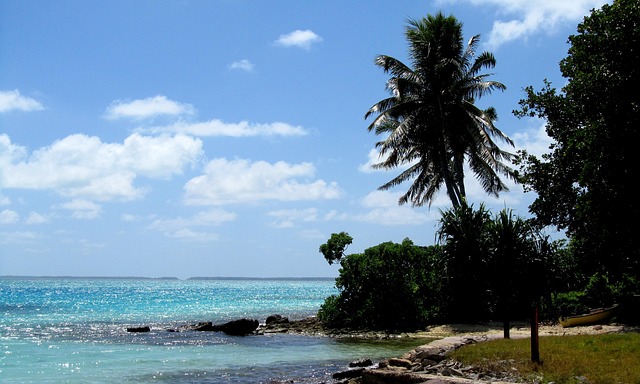
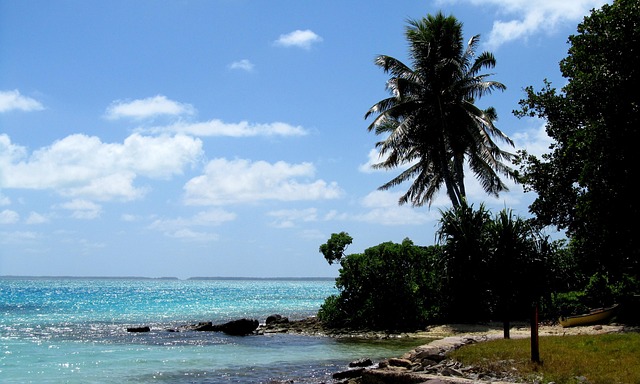
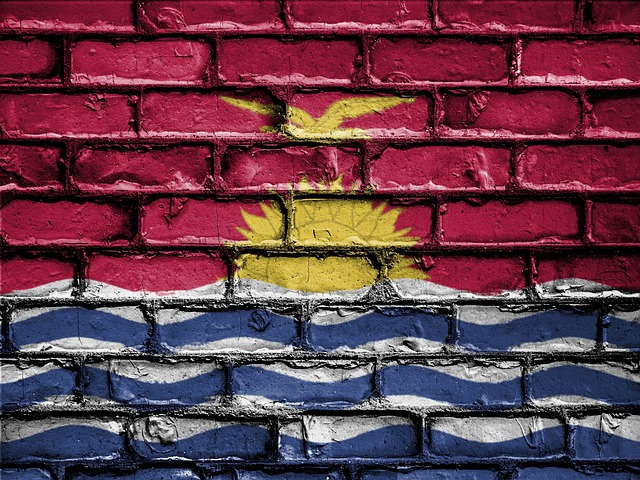
Kiribati’s food scene is shaped by isolation, ocean access, and limited agricultural diversity, creating a cuisine that is simple, functional, and tied closely to survival rhythms. Daily eating centers around fish, coconut, breadfruit, and pandanus, with preparation methods focused on freshness and minimal processing. In South Tarawa, imported foods like rice and canned goods have become more common, blending with traditional staples in everyday meals. Outside urban areas, food remains more directly connected to local fishing and gathering, with fewer external influences. There are few formal restaurants, and most eating happens within homes or small, informal setups. Meals are not built around variety but around consistency and availability. The food scene reflects environmental constraints, where what is eaten is determined more by geography than by choice, resulting in a culture that prioritizes practicality and continuity over experimentation.