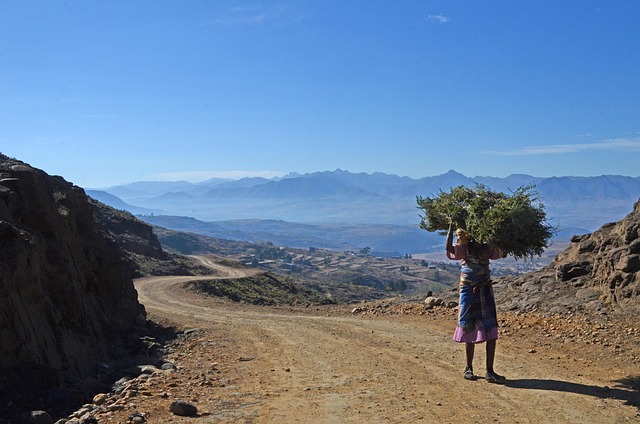
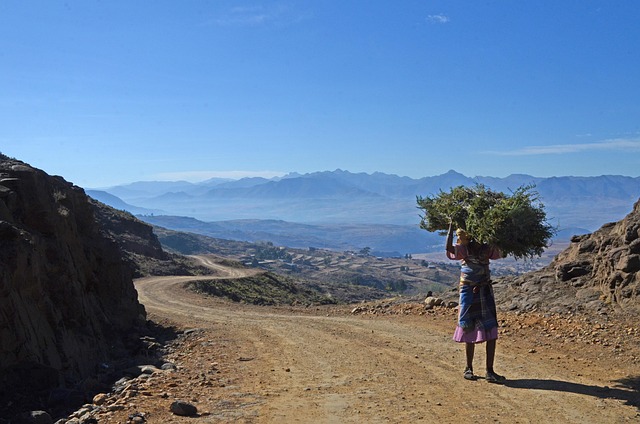
Lesotho’s food scene is simple, practical, and closely tied to local agriculture. Meals center on staples like maize, sorghum, and vegetables, with dishes built around what is available rather than what is curated. In urban areas like Maseru, there are more options, including small restaurants and street vendors, but the overall structure remains straightforward. In rural areas, food is largely home-prepared, with cooking tied to daily routines and seasonal cycles. Meat appears less frequently and is often reserved for specific occasions, while staple dishes carry most of the diet. Eating is functional but still social, often shared within families rather than built around public dining spaces. There’s little separation between everyday food and cultural identity, because they are essentially the same thing. The result is a food scene defined by consistency, resourcefulness, and a direct connection to land and routine.