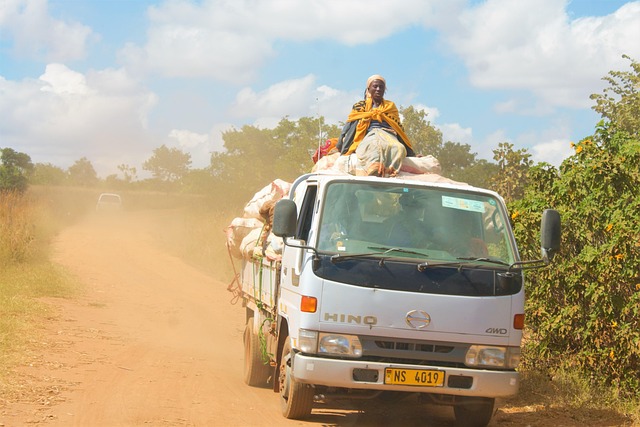
Malawi desserts tend to reflect a food culture in which sweets are often simpler, ingredient-based, and less separated from everyday staples than in heavily pastry-centered traditions. The country’s dessert identity is shaped by local crops such as bananas, mangoes, papaya, sugarcane, groundnuts, and sweet potatoes, along with broader Southern African food habits that often emphasize fresh fruit, porridges, fried doughs, and lightly sweet baked items rather than highly ornate desserts. In practice, this means Malawi desserts can include fruit dishes, fritters, sweet buns, simple cakes, and preparations built around locally available ingredients rather than a large canon of internationally recognized national sweets. There are also outside influences, particularly from colonial history and regional exchange, that show up in tea-time baking and more Western-style desserts in urban or hospitality settings. Still, the overall dessert profile of Malawi remains grounded in accessibility and familiarity, with sweetness often coming from fruit or modest baking rather than from heavily layered confectionery culture. That gives Malawi desserts a different kind of identity, one tied less to showpiece pastries and more to what grows locally and what fits everyday life. Overall, Malawi desserts are best understood as simple, fruit-driven, and staple-connected, with a sweet tradition shaped by local agriculture, practicality, and understated comfort.